
Severe pelvic pain can feel frightening, especially when it comes on suddenly or feels very different from normal menstrual cramps. Many women describe these episodes as overwhelming and unfamiliar, sometimes accompanied by heavy bleeding or the passage of unusual tissue. Two conditions often discussed in these situations are decidual cast and endometriosis.
Although these conditions differ greatly, people often confuse them because both involve the uterine lining and can cause intense pain. This comprehensive guide explains what a decidual cast is, how it differs from endometriosis, why the pain can feel so severe, and when you should seek medical care. The goal is to help you understand what your body may be experiencing and to give you confidence in knowing when to reach out for professional help.
What Is a Decidual Cast?
A decidual cast occurs when the uterine lining (endometrium) sheds all at once instead of breaking down gradually over several days during a menstrual period. When this happens, the tissue may leave the body in one solid piece and often takes on the shape of the uterus.
This process differs significantly from a regular period, where blood and small tissue fragments shed slowly. Because the tissue stays intact, the uterus must contract forcefully to push it out, which explains the sudden and severe pain many women experience.
Key Features of a Decidual Cast
- Sudden onset of intense pelvic or lower abdominal pain
- Passage of a large, solid piece of tissue rather than typical clots
- Heavy bleeding before or during passage, followed by rapid relief in many cases
- A one-time event for most women
Although the experience can feel alarming, a decidual cast usually does not cause long-term harm. Still, you should always seek medical evaluation to rule out more serious conditions.
What Does a Decidual Cast Look and Feel Like?
Women who experience a decidual cast often describe the tissue as thick, fleshy, and firm. It may appear pink, red, or dark red and may look much larger and more structured than normal menstrual clots.
Before the tissue passes, many women feel intense cramping, pressure, or pain that resembles labor contractions. This pain occurs because:
- The uterus contracts strongly to expel the intact lining
- The cervix opens more than it typically does during a period
- The solid tissue increases pressure inside the uterus
After the tissue passes, many women feel a sudden reduction in pain. This quick relief often helps distinguish a decidual cast from conditions that cause ongoing pelvic pain.
What Causes a Decidual Cast?
Doctors do not always identify a single clear cause of a decidual cast, but hormonal changes play a central role. Progesterone, the hormone responsible for maintaining the uterine lining, appears especially important.
Factors that may contribute include:
- Sudden changes or drops in progesterone levels
- Use of hormonal birth control, particularly progesterone-based methods
- Hormonal shifts related to pregnancy or early pregnancy loss
Progesterone causes the uterine lining to thicken and remain stable. When progesterone levels change abruptly, the lining may detach as a single piece instead of shedding gradually. Even with these factors, decidual casts remain rare, and most women will never experience one.
Is a Decidual Cast Dangerous?
In most cases, a decidual cast itself does not pose a serious health risk. However, other conditions can cause similar symptoms, and some of those conditions require urgent treatment.
Healthcare providers must rule out:
- Miscarriage
- Ectopic pregnancy
- Uterine or pelvic infection
- Significant hormonal imbalances
Even if pain improves after the tissue passes, you should still consult a healthcare provider to confirm the diagnosis and ensure your safety.
What Is Endometriosis?
Endometriosis is a chronic condition in which tissue similar to the uterine lining grows outside the uterus. These growths commonly appear on the ovaries, fallopian tubes, pelvic ligaments, bladder, bowel, or other pelvic structures.
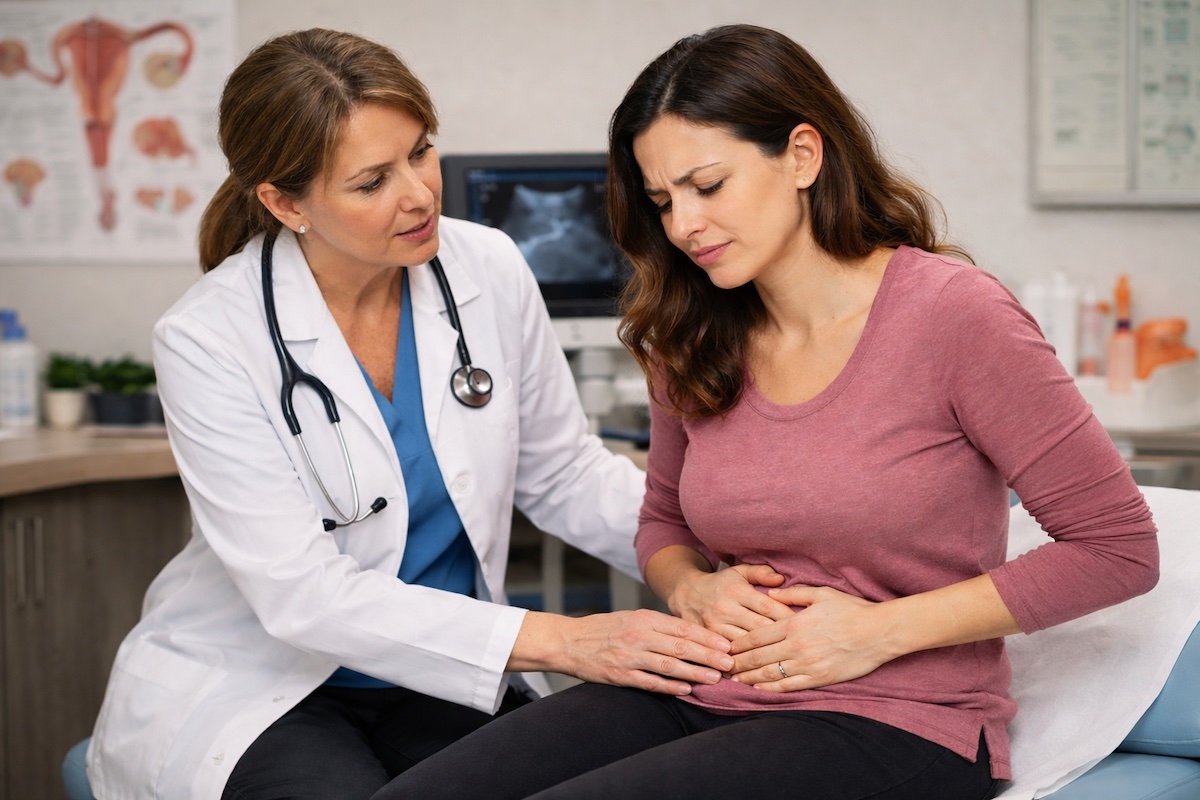
Unlike normal endometrial tissue, this tissue cannot exit the body during menstruation. Each menstrual cycle, it responds to hormonal changes, which lead to inflammation, irritation, and sometimes scarring. Over time, this process can cause persistent pain and significantly affect quality of life.
Common Symptoms of Endometriosis
Endometriosis affects each person differently, which often makes diagnosis challenging. Common symptoms include:
- Painful periods that disrupt daily activities
- Pelvic pain that occurs outside of menstruation
- Pain during or after sexual intercourse
- Heavy, prolonged, or irregular menstrual bleeding
- Digestive symptoms such as bloating, constipation, or painful bowel movements
- Fatigue that worsens around the menstrual cycle
- Fertility challenges for some women
The severity of symptoms does not always reflect the extent of the disease. Some women experience severe pain with minimal visible disease, while others have extensive disease with milder symptoms.
How Decidual Cast and Endometriosis Are Different
Although both conditions involve endometrial-type tissue, they differ in how they develop and affect the body.
A decidual cast:
- Occurs suddenly and acutely
- Involves tissue from inside the uterus
- Resolves once the tissue passes
- Rarely recurs
Endometriosis:
- Develops gradually and persists over time
- Involves tissue growing outside the uterus
- Causes recurring or chronic symptoms
- Often requires long-term management
Recognizing these differences helps reduce fear and guides appropriate medical care.
Can Endometriosis Cause a Decidual Cast?
Current medical evidence does not show that endometriosis directly causes decidual casts. However, both conditions respond to hormonal changes, especially progesterone.
Some women with endometriosis use hormonal treatments to control symptoms. In rare cases, these treatments may affect how the uterine lining sheds, which could increase the chance of a decidual cast. Still, decidual casts also occur in women without endometriosis, and many women with endometriosis never experience one.
Healthcare providers evaluate each case individually rather than assuming a direct connection.
Why Is the Pain So Severe?
Pain From a Decidual Cast
A decidual cast causes severe pain because:
- The uterus contracts powerfully to expel the intact lining
- The cervix must dilate quickly
- The tissue creates more pressure than normal menstrual flow
- Uterine nerves respond strongly to stretching and pressure
Although the pain feels intense, it does not necessarily indicate a dangerous condition.
Pain From Endometriosis
Endometriosis causes pain through different mechanisms, including:
- Chronic inflammation within the pelvis
- Irritation or involvement of pelvic nerves
- Scar tissue that pulls organs out of normal alignment
- Increased sensitivity of pain pathways over time
These factors explain why endometriosis pain often continues beyond menstruation and why it may worsen without treatment.
Symptoms That Overlap
Some symptoms overlap between the decidual cast and endometriosis, such as:
- Severe cramping
- Abnormal or heavy bleeding
- Nausea or dizziness caused by pain
- Emotional distress related to symptom intensity
The key difference lies in pattern and recurrence. A single, dramatic episode points more toward a decidual cast, while repeated or ongoing pain suggests endometriosis.
When Should You Seek Medical Care?
You should seek medical attention promptly if you experience:
- Sudden, severe pelvic pain that feels different from your usual period
- Passage of large pieces of tissue during menstruation
- Heavy bleeding that soaks through a pad or tampon within an hour
- Fever, chills, or foul-smelling discharge
- Pain that does not improve after tissue passes
- Repeated episodes of extreme menstrual or pelvic pain
Early evaluation allows providers to rule out emergencies and begin appropriate treatment.
How Do Doctors Diagnose These Conditions?
Diagnosing a Decidual Cast
Doctors typically diagnose a decidual cast by:
- Reviewing your medical and menstrual history
- Performing a pelvic examination
- Ordering pregnancy tests to rule out miscarriage or ectopic pregnancy
- Using ultrasound imaging to examine the uterus
- Evaluating passed tissue when available
Diagnosing Endometriosis
To diagnose endometriosis, providers may:
- Review symptoms in detail and track pain patterns
- Perform a pelvic exam
- Order imaging tests such as ultrasound or MRI, though these may miss some cases
- Recommend laparoscopy, a minimally invasive surgery that confirms the diagnosis
Many women experience delays in diagnosis because symptoms vary and may resemble other conditions.
Treatment and Management Options
Care After a Decidual Cast
After a decidual cast, providers usually focus on:
- Managing pain and discomfort
- Monitoring for recurrence
- Reviewing hormonal medications or birth control
- Providing reassurance once serious causes are excluded
Most women recover fully and do not experience long-term complications.
Managing Endometriosis
Managing endometriosis often requires a personalized approach that may include:
- Hormonal therapies to reduce inflammation and pain
- Pain management strategies
- Lifestyle and dietary adjustments
- Surgical treatment when conservative options fail
- Fertility-focused care when pregnancy is a priority
Providers tailor treatment plans based on symptoms, age, and reproductive goals.
Emotional and Mental Health Considerations
Sudden pelvic pain or unexpected bleeding can cause fear, anxiety, and distress. Chronic pain from endometriosis can also affect emotional well-being, relationships, and daily functioning.
Women benefit greatly when providers listen carefully, validate symptoms, and explain treatment options clearly. Tracking symptoms and advocating for your health can improve both physical and emotional outcomes.
Key Takeaways
- A decidual cast causes sudden, intense pain due to the rapid shedding of the uterine lining
- Endometriosis causes chronic pelvic pain and requires long-term care
- Pain patterns and recurrence help distinguish between the two
- Severe or unusual symptoms always deserve medical evaluation
- Early care improves outcomes and peace of mind
Conclusion: Expert, Compassionate Care Makes a Difference
From our perspective at Clinton Women’s Healthcare, we see firsthand how distressing severe pelvic pain and unexpected menstrual symptoms can be. Whether you experience a one-time event like a decidual cast or struggle with ongoing symptoms that may indicate endometriosis, you deserve clear answers and thoughtful care.
At Clinton Women’s Healthcare, our OB-GYN team prioritizes listening, accurate diagnosis, and personalized treatment. With advanced diagnostic tools, expertise in minimally invasive and robotic gynecologic procedures, and a strong commitment to patient comfort and respect, we proudly care for women in Utica, Macomb, and Clarkston, Michigan.
If you experience severe menstrual pain, unusual bleeding, or persistent pelvic discomfort, do not delay care. Early evaluation can make a meaningful difference, and at Clinton Women’s Healthcare, we always take your concerns seriously.