
Many women experience pelvic pain, abnormal periods, or reproductive health concerns at some point in their lives. Two conditions that often cause confusion are endometritis and endometriosis. Their names sound similar, and both involve the uterus, but they are very different medical conditions with distinct causes, treatments, and long-term effects.
Understanding the difference between endometritis and endometriosis helps ensure timely diagnosis and the right treatment. When left untreated or misdiagnosed, both conditions can affect quality of life and fertility. This guide explains each condition clearly and compares them in a way that is easy to understand.
What Is Endometritis?
Endometritis occurs when the endometrium, the inner lining of the uterus, becomes inflamed or infected. Doctors usually classify it as an acute condition, meaning it develops quickly and requires prompt treatment.
In most cases, bacteria cause endometritis, which is why early medical care is so important.
Causes of Endometritis
Bacteria can enter the uterus during or after certain events, including:
- Childbirth, especially after prolonged labor or a cesarean section
- Miscarriage or abortion
- Gynecological procedures such as dilation and curettage (D&C)
- Untreated sexually transmitted infections like chlamydia or gonorrhea
- Rare cases following IUD placement when infection is present
These situations make the uterus more vulnerable to infection.
Symptoms of Endometritis
Endometritis symptoms usually appear suddenly and may worsen quickly. Common symptoms include:
- Lower abdominal or pelvic pain
- Fever and chills
- Foul-smelling or unusual vaginal discharge
- Heavy or irregular vaginal bleeding
- Uterine tenderness
- General fatigue or feeling unwell
Anyone experiencing these symptoms, especially after childbirth or a procedure, should seek medical care right away.
Risk Factors for Endometritis
You may have a higher risk if you:
- Recently gave birth or had uterine surgery
- Experienced prolonged labor or multiple vaginal exams
- Have untreated STIs
- Have a weakened immune system
With early diagnosis and antibiotics, most women recover fully.
What Is Endometriosis?
Endometriosis is a chronic inflammatory condition in which tissue similar to the uterine lining grows outside the uterus. These growths commonly affect the ovaries, fallopian tubes, pelvic lining, or intestines.
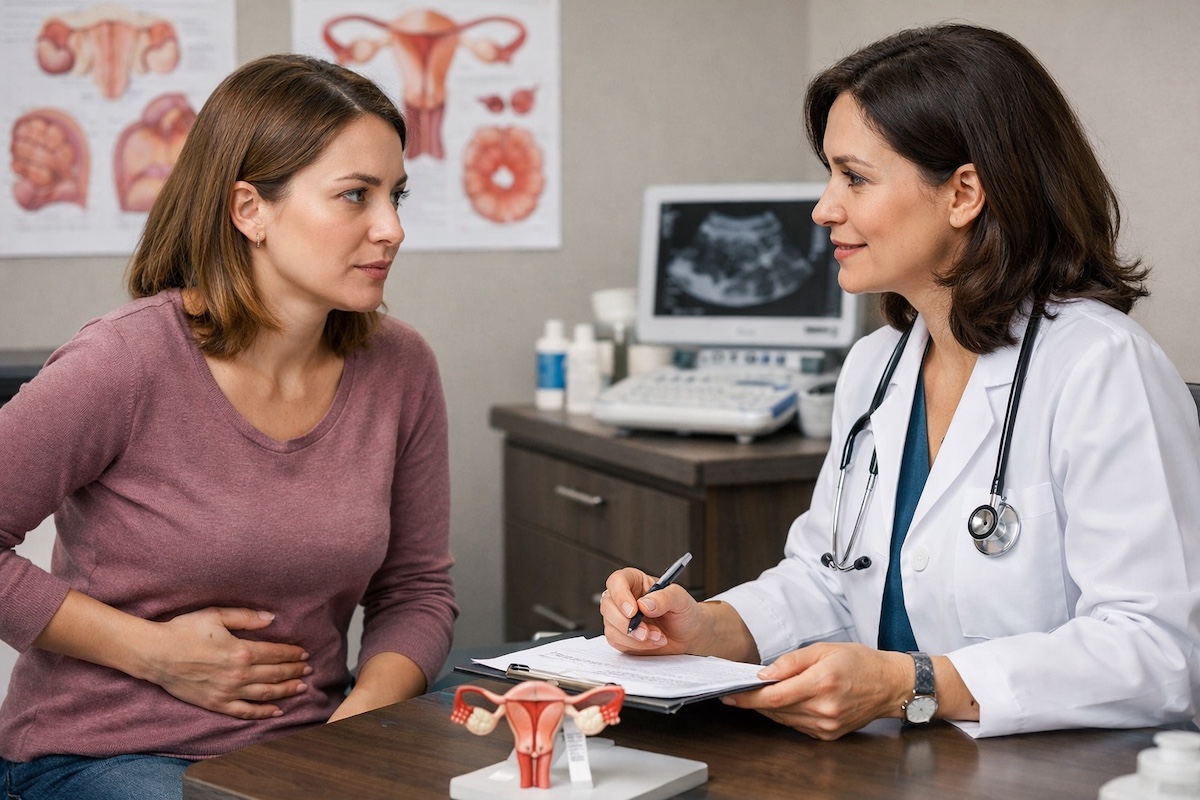
Unlike endometritis, endometriosis is not caused by infection and does not resolve on its own.
Causes of Endometriosis
Doctors do not know the exact cause of endometriosis, but several factors may contribute, including:
- Retrograde menstruation, where menstrual blood flows backward into the pelvis
- Genetic predisposition
- Hormonal imbalance, especially excess estrogen
- Immune system dysfunction
- Environmental and lifestyle influences
Because multiple factors play a role, symptoms vary widely.
Symptoms of Endometriosis
Some women experience severe symptoms, while others notice mild or no discomfort. Common symptoms include:
- Painful menstrual cramps that disrupt daily activities
- Chronic pelvic pain, even outside of periods
- Pain during or after intercourse
- Heavy, irregular, or prolonged menstrual bleeding
- Difficulty conceiving
- Digestive symptoms such as bloating or painful bowel movements
- Persistent fatigue
Symptoms often worsen over time without treatment.
Risk Factors for Endometriosis
Risk factors include:
- Family history of endometriosis
- Early onset of menstruation
- Short menstrual cycles
- Never having given birth
- Prolonged exposure to estrogen
Endometritis vs Endometriosis: Key Differences Explained
Although their names are similar, these conditions differ in several important ways.
Nature of the Condition
Endometritis is an infection or inflammation. Endometriosis is a chronic inflammatory disorder.
Location of the Condition
Endometritis affects the uterine lining. Endometriosis involves tissue growing outside the uterus.
Causes Compared
Bacteria cause endometritis. Hormonal, genetic, and immune factors contribute to endometriosis.
Symptoms Compared
Endometritis causes fever, discharge, and sudden pelvic pain. Endometriosis leads to long-term pelvic pain, painful periods, and fertility challenges.
Duration and Progression
Endometritis is usually short-term and treatable. Endometriosis is long-term and may progress without ongoing management.
How Doctors Diagnose Endometritis and Endometriosis
Diagnosing Endometritis
Doctors often diagnose endometritis quickly using:
- A pelvic exam to assess uterine tenderness
- Blood tests to detect infection
- Vaginal or cervical cultures
- Ultrasound to rule out retained tissue
Prompt diagnosis allows fast treatment and reduces complications.
Diagnosing Endometriosis
Endometriosis diagnosis often takes longer and may involve:
- A detailed medical and symptom history
- Pelvic examination
- Imaging tests such as ultrasound or MRI
- Laparoscopy, a minimally invasive procedure that confirms the diagnosis
Treatment Options Compared
Treatment for Endometritis
Treatment focuses on clearing the infection and preventing complications:
- Broad-spectrum antibiotics
- Hospital care in severe cases
- Pain management
- Follow-up visits to confirm recovery
Most women recover completely with timely care.
Treatment for Endometriosis
Treatment aims to control symptoms and improve quality of life:
- Pain-relief medications
- Hormonal therapies such as birth control pills or GnRH agonists
- Surgical removal of endometrial tissue when symptoms are severe
- Lifestyle and dietary adjustments
- Long-term monitoring
Although no cure exists, many women manage symptoms effectively.
Impact on Fertility and Pregnancy
Endometritis and Fertility
When treated early, endometritis rarely affects fertility. Untreated infections, however, may cause pelvic inflammatory disease, scarring, and infertility.
Endometriosis and Fertility
Endometriosis is a leading cause of infertility. It can affect ovulation, egg quality, and implantation. Some women conceive naturally, while others benefit from fertility treatments such as IVF.
Can Endometritis Turn Into Endometriosis?
No. Endometritis and endometriosis are separate conditions with different causes. One does not develop into the other. Because symptoms can overlap, proper evaluation is essential.
When to See a Gynecologist
You should seek medical care if you experience:
- Persistent or severe pelvic pain
- Fever with abnormal vaginal discharge
- Very painful or heavy periods
- Pain during intercourse
- Difficulty getting pregnant
- Symptoms that interfere with daily life
Early evaluation often leads to better outcomes.
Prevention and Long-Term Management
Preventing Endometritis
You can reduce risk by:
- Treating STIs promptly
- Following proper post-delivery and post-procedure care
- Attending recommended follow-up appointments
Managing Endometriosis Long-Term
Long-term care often includes:
- Regular gynecological visits
- Tracking pain and symptom patterns
- Hormonal management when appropriate
- Emotional and mental health support
Frequently Asked Questions (FAQs)
Is endometritis serious?
Endometritis can become serious if left untreated, but most cases resolve quickly with antibiotics.
Is endometriosis a lifelong condition?
Endometriosis is chronic, but proper treatment can control symptoms and improve quality of life.
Can antibiotics cure endometriosis?
No. Antibiotics treat infections, and endometriosis is not caused by bacteria.
Which condition is more likely to cause infertility?
Endometriosis has a stronger association with infertility than endometritis.
Can endometritis recur?
Yes, especially if underlying risk factors such as untreated infections remain.
Are both conditions visible on ultrasound?
Endometritis may show signs on ultrasound. Endometriosis often requires advanced imaging or laparoscopy.
Conclusion
Although endometritis and endometriosis sound similar, they are distinct conditions that require different diagnostic and treatment approaches. Endometritis is typically an acute infection that responds well to early antibiotics, while endometriosis is a chronic condition that needs long-term, individualized care.
At Clinton Women’s Healthcare, we focus on accurate diagnosis, minimally invasive treatment options, and compassionate care tailored to each patient’s needs. If you are experiencing pelvic pain, abnormal bleeding, or fertility concerns, a timely evaluation can help you move toward clarity, relief, and better reproductive health.