
A Pap smear can cause brief pressure or mild discomfort. Some people experience pain. If the exam hurts, tell your clinician. You can ask them to pause or stop at any time.
Knowing what happens during the test can help you prepare and explain your needs. Whether you are scheduling your first Pap smear or returning after a painful exam, discuss your concerns before the procedure begins.
This guide explains what the test feels like, how to prepare, and which symptoms need attention afterward.
What Does a Pap Smear Check?
A Pap smear checks cells from the cervix for abnormal changes. The cervix is the lower part of the uterus that opens into the vagina. Screening can identify precancerous changes so clinicians can monitor or treat them before cancer develops.
A Pap test and an HPV test check for different things:
- A Pap test looks for abnormal cervical cells.
- An HPV test looks for high-risk types of human papillomavirus that can cause cervical cell changes.
Your clinician may recommend one test or both, depending on your age and health history. A pelvic exam does not always include a Pap smear. Ask which tests your appointment will include.
What Does a Pap Smear Feel Like?
You may feel pressure or stretching when the clinician inserts and opens the speculum. This instrument holds the vaginal walls apart so the clinician can see the cervix.
The clinician then collects cells with a small brush or similar device. This step takes little time and may cause brief discomfort or cramping. Some people barely notice it; others find the examination painful.
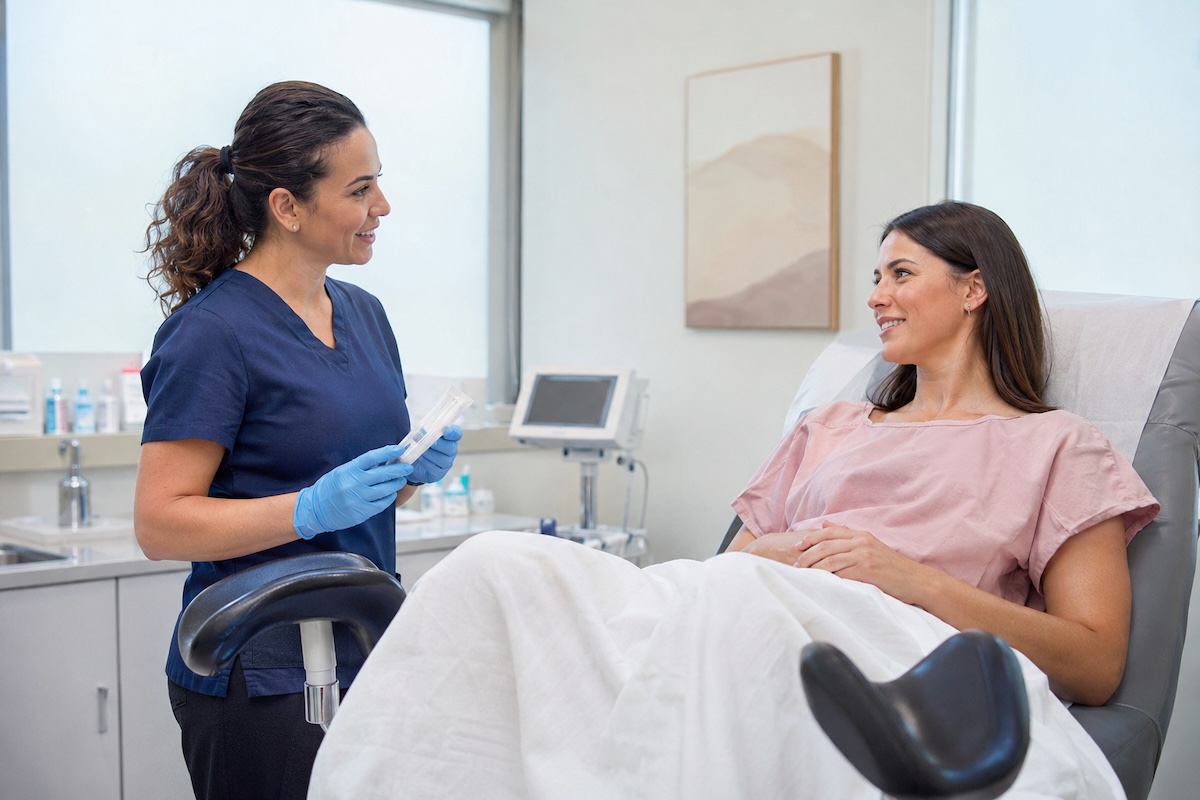
Tell your clinician where you feel pain and when it starts. For example:
- “It hurts at the opening.”
- “The pressure became painful when you opened the speculum.”
- “Please stop. I need a break.”
You do not need to decide whether your pain is “normal” before speaking up.
What Happens During a Pap Smear?
Your clinician should explain the test and obtain your consent before starting. Ask questions while you are still dressed if that feels more comfortable.
| Step | What your clinician will do |
|---|---|
| Prepare | Provide privacy to undress from the waist down and offer a drape. |
| Position | Ask you to lie back with your knees bent and feet supported. |
| View the cervix | Gently insert and open a speculum. |
| Collect the sample | Use a small brush or collection device to collect cervical cells. |
| Finish | Remove the speculum so you can get dressed. |
The laboratory examines the sample. Before leaving, ask when to expect results and how the office will contact you.
Why Might the Exam Hurt?
Several factors can make vaginal insertion uncomfortable. Tell your clinician about dryness, irritation, pain with tampons, or pain during previous examinations.
One possible cause is vaginismus, which involves involuntary tightening of muscles around the vagina. This tightening can make speculum insertion painful or difficult. It happens automatically; patients do not deliberately cause it.
A painful Pap smear alone does not mean you have vaginismus. Your clinician can review your symptoms and determine whether you need further evaluation.
Avoid assuming that pain means you failed to relax. Instead, describe what you feel and ask what the clinician can change.
If a previous experience makes examinations difficult, you can explain your needs without sharing every detail. A statement such as “I need you to explain each step before touching me” gives the clinician a clear request.
How to Make a Pap Smear More Comfortable
Discuss Previous Pain Before the Exam
Tell the clinician if your last examination hurt or could not be completed. Explain which part caused discomfort, if you remember.
You might say: “Speculum insertion hurt last time. Can we discuss the options before we begin?”
Call ahead if you want to discuss these concerns before the appointment. Ask whether the office can allow time for that conversation.
Ask About Speculum Size and Positioning
A smaller speculum or a different position may help some patients. Ask your clinician which adjustments could work for you.
You can also ask whether someone you trust can attend for support. Slow breathing or listening to music may help you feel more at ease, but neither should replace changes to an examination that hurts.
Agree on a Stop Signal
Choose a clear word or gesture before the procedure starts. For example: “If I raise my hand, please stop.”
Ask the clinician to explain what they plan to do next rather than describing everything after it happens. This gives you a chance to ask questions or request a pause.
Ask Before Using Medication
If you want to take a pain reliever or use a numbing product, speak with your clinician first. Explain whether your concern involves insertion pain, cramping, or another symptom.
Ask how any proposed medication would help and whether you need an assessment of the pain itself. Do not start vaginal products or change prescribed treatment without medical advice.
How Should You Prepare for a Pap Smear?
Follow the testing office’s instructions. The CDC advises avoiding vaginal intercourse, douching, vaginal medicines, and spermicidal foam for two days before a Pap test because they may affect the sample.
If you use prescribed vaginal medication, ask the office what to do before testing.
If you had sex before the appointment, tell the clinician rather than canceling automatically. If your period starts, call for guidance; the office may still be able to perform the test.
Write down any questions you want answered. A short list can help you remember them during the visit:
- Which screening test do I need?
- What adjustments can we try if the exam hurts?
- How will I receive the results?
Preparation should help you understand the visit, not make you feel that you must complete the exam regardless of discomfort.
What Should You Expect Afterward?
You may notice light spotting after cervical sampling. It should settle within a few hours. Contact your clinician if you have heavy bleeding or spotting that continues beyond that time.
Also seek medical advice for persistent or worsening pain. Describe when it started, its severity, and whether it is improving.
If your clinician performed another procedure during the appointment, follow its specific aftercare instructions. A Pap test collects cells; a cervical biopsy removes tissue. The two procedures do not have the same recovery guidance.
Related Reading- Can a Pap Smear Test Detect Pregnancy?
What If Your Last Pap Smear Was Too Painful to Finish?
Ask for a follow-up conversation before attempting another exam. Explain what happened and what would help you feel more prepared.
Useful questions include:
- Should we evaluate my pain before trying again?
- Which adjustments could make another attempt easier?
- What will we do if the pain returns?
- When should we plan the next screening attempt?
You do not need to identify the cause yourself. Give your clinician the information you have, including pain with other forms of vaginal insertion or symptoms between appointments.
Before leaving, agree on a next step. That might involve further discussion, evaluation, or another appointment with a different examination plan.
Does an Abnormal Result Mean Cancer?
An abnormal Pap result usually does not mean cancer. It means the laboratory found cell changes that your clinician needs to interpret. Depending on the result, they may recommend repeat testing or further evaluation.
An “unsatisfactory” result means the laboratory could not adequately assess the sample—for example, because it contained too few usable cells. Your clinician will explain whether you need another test.
Follow up on your results even if you feel well.
Frequently Asked Questions
How long does a Pap smear take?
The screening procedure usually takes only a few minutes. The full appointment takes longer because it includes discussion, preparation, and any other planned care. You can request a break during the examination.
Do I need a Pap smear every year?
Not necessarily. Your age, screening history, health conditions, and test type determine the schedule. Some people need closer follow-up after abnormal results. An annual healthcare visit does not automatically require annual Pap testing.
Does a Pap smear check for sexually transmitted infections?
A Pap smear is not a general STI test. Tell your clinician if you want STI screening so they can arrange the appropriate tests. A normal Pap result does not mean they have checked you for all infections.
Discuss Your Screening Needs With Clinton Women’s Healthcare
At Clinton Women’s Healthcare, we encourage you to ask questions and take an active role in your care. If you worry about discomfort or had a painful examination, tell us before your next screening.
Our team provides gynecological care at our Utica, Clarkston, and Macomb, Michigan offices. We can discuss your screening needs, review your concerns, and help you plan the next step.
When scheduling, ask how to speak with our team about examination concerns. Keep sensitive medical details out of the website’s appointment form.
Request an appointment with Clinton Women’s Healthcare to discuss your cervical screening and comfort needs.